Payment Pathways: Linking Transaction Choices to Loyalty Perks in Mobile Poker and Sports Wagering Apps
Iris Krause · Aug 20, 2026
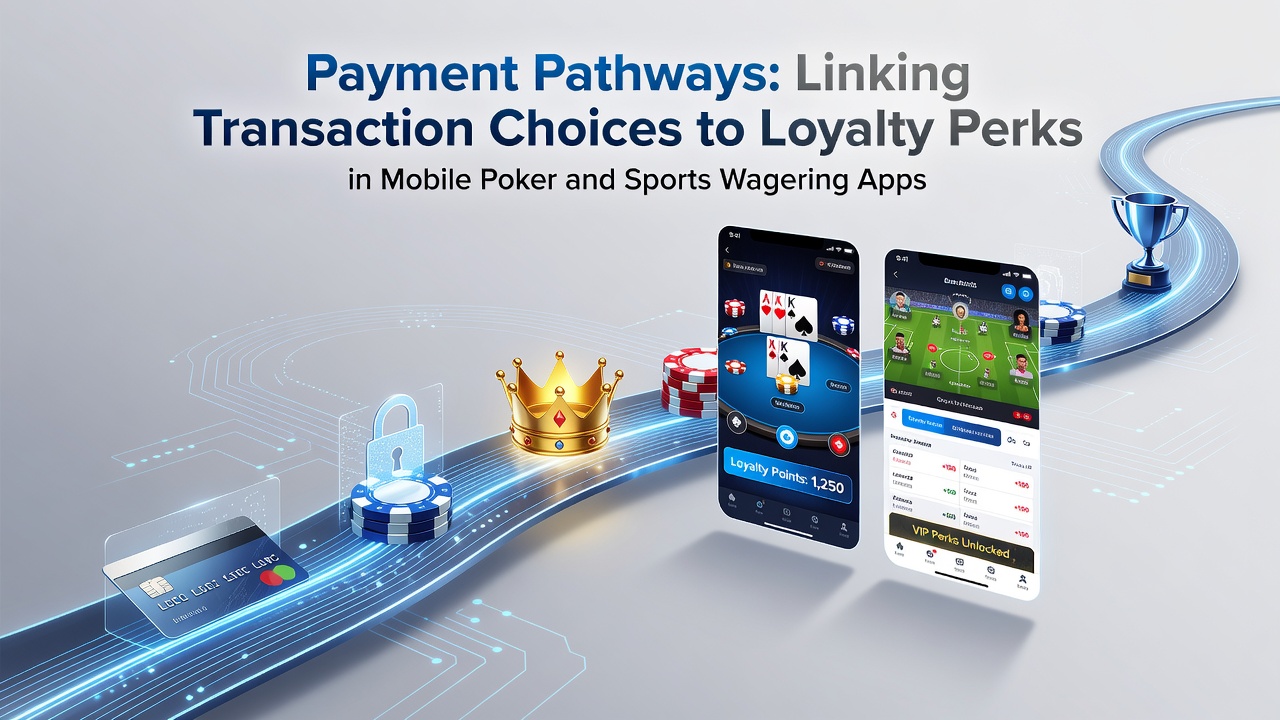
Payment Pathways: Linking Transaction Choices to Loyalty Perks in Mobile Poker and Sports Wagering Apps
Payment methods in mobile poker and sports wagering apps connect directly to loyalty structures that reward users based on transaction type, frequency, and volume. As of August 2026, operators integrate these pathways to drive engagement while meeting compliance standards across multiple jurisdictions. Research from the Nevada Gaming Control Board shows that apps using tiered rewards for specific payment rails, such as e-wallets over traditional cards, report higher retention rates among active users.
Transaction Types and Their Role in Loyalty Systems
Mobile platforms categorize payments into credit and debit cards, digital wallets, bank transfers, and emerging options like cryptocurrency. Each category triggers different perk calculations. For instance, e-wallet deposits often earn accelerated points because they process faster and reduce chargeback risks, whereas bank transfers may unlock higher cashback tiers due to lower processing fees. Observers note that sports wagering apps frequently link instant funding methods to bonus multipliers, allowing users to accumulate loyalty credits that convert into free bets or tournament entries.
Poker apps follow similar patterns but emphasize volume-based rewards. A player making repeated micro-deposits via digital wallets might receive status boosts that grant access to exclusive tables, while larger bank wire transactions accumulate toward annual loyalty resets. Data indicates that these mechanics encourage consistent activity without altering game odds or house edges.
Regional Regulatory Influences on Payment-Loyalty Integration
Regulators shape how apps connect payments to perks. In the United States, state-level oversight in New Jersey requires clear disclosure of how deposit methods affect reward eligibility. In Australia, research from the Victorian Responsible Gambling Foundation reveals that loyalty programs must separate promotional incentives from deposit bonuses to prevent excessive play encouragement. Canadian provincial frameworks, including those in Ontario, mandate that transaction histories remain auditable so loyalty points cannot mask problem gambling indicators.
These rules push operators to build transparent systems. One study from the University of Nevada, Las Vegas examined how apps in regulated markets display perk breakdowns at the point of deposit, helping users understand which payment choice maximizes rewards for their preferred activity.
Implementation Examples Across Platforms
Take one operator that routes all sports bettors through a wallet-first interface. Deposits via that method generate points redeemable for live event tickets, while card transactions feed into a separate cashback pool available only after wagering thresholds are met. Poker-focused apps sometimes tie cryptocurrency deposits to rakeback increases, reflecting lower operational costs for those rails.

Another case involves hybrid platforms that combine poker and sports wagering. Here, a single loyalty currency spans both verticals. Users who fund poker tournaments via bank transfer often receive status points that also apply to sports accumulator bonuses, creating cross-product incentives. Figures from industry reports show this approach increases average session length when payment choices align with user preferences for speed versus security.
Data Patterns and User Behavior Trends
Analytics from multiple markets demonstrate that loyalty-linked payments influence deposit frequency more than deposit size. Users who receive immediate perk feedback after choosing a rewarded method tend to maintain steady activity levels. Research indicates that apps displaying real-time point estimates during checkout see higher completion rates for initial deposits compared with static reward tables.
Payment pathway design also intersects with responsible gambling tools. Some platforms pause loyalty accrual when deposit limits are reached, regardless of the method used. This prevents the reward structure from overriding self-imposed controls, a requirement in several regulated regions.
Future Developments in Payment-Loyalty Linkages
Emerging technologies continue to refine these connections. Tokenized payments and instant bank rails now feed directly into loyalty ledgers, shortening the time between transaction and perk allocation. Industry groups tracking mobile gambling note that integration with open banking standards allows apps to verify funding sources more reliably, which in turn supports higher reward tiers for verified accounts.
By August 2026, several operators had begun testing dynamic perk rates that adjust based on overall platform economics rather than fixed schedules. These adjustments remain subject to regulatory review to ensure fairness across payment types.
Conclusion
Payment pathways in mobile poker and sports wagering apps function as structured systems that tie transaction choices to measurable loyalty outcomes. Regulatory frameworks in the United States, Australia, and Canada guide how these linkages operate, while operational examples illustrate practical implementations. Data from sources including the Nevada Gaming Control Board and academic studies continue to inform how platforms balance reward mechanics with compliance requirements.